At Plunge Pools Adelaide, we create high-quality plunge pools for Adelaide families and homeowners. Our team helps you choose a pool that fits your space, lifestyle, and budget, ensuring value and satisfaction.
This guide covers everything about plunge pools, including their unique features, comparisons with alternatives, and their many benefits. Whether you want a place to relax, exercise, or improve your backyard, you’ll find clear answers here.
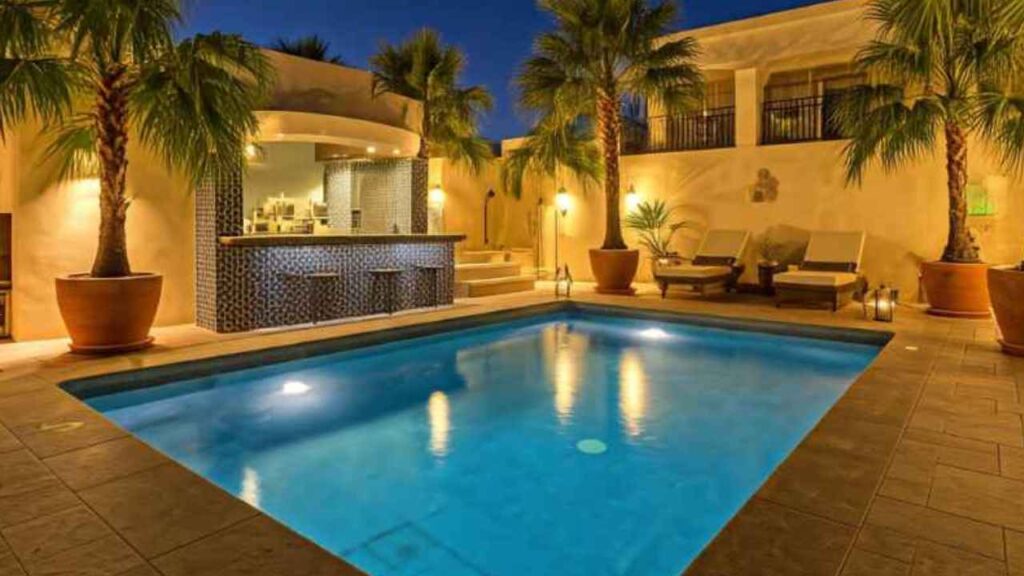
What Is a Plunge Pool and What Makes It Unique?
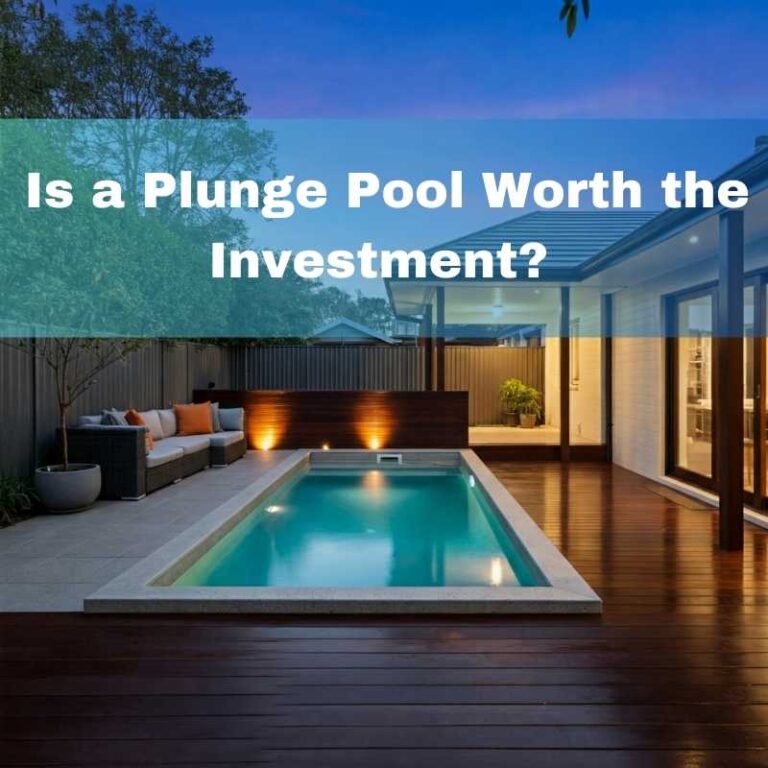
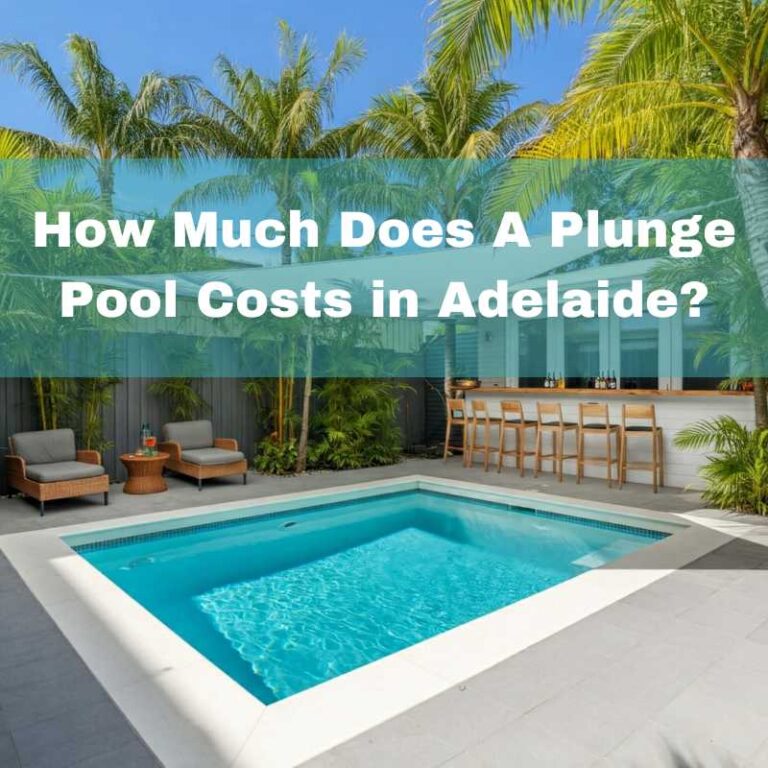
A plunge pool is a small, shallow pool built for relaxation and practicality. It usually measures 4 to 7 metres in length and 2 to 3 metres in width, making it suitable for smaller backyards.
Plunge pools serve three main purposes:
- Relaxation: A refreshing place to cool down and unwind.
- Low-Impact Exercise: Ideal for gentle activities like water aerobics or resistance workouts.
- Aesthetic Appeal: A stylish feature that enhances the look of your outdoor area.
Key Differences:
| Feature | Plunge Pools | Full-Sized Pools | Hot Tubs | Swim Spas |
|---|---|---|---|---|
| Size | Compact (4–7m long) | Larger (10m+ typical) | Small, seating-focused | Compact but deeper |
| Purpose | Relaxation & light exercise | Recreation & full swimming | Hydrotherapy & relaxation | Exercise with hydrotherapy |
| Maintenance | Low | High | Moderate | Moderate |
| Cost | Affordable | Expensive | Moderate | Higher upfront cost |
Comparing Plunge Pools to Alternatives
Plunge Pools vs. Full-Sized Pools
While both plunge pools and full-sized swimming pools offer refreshing outdoor water experiences, their differences can significantly impact your decision.
| Feature | Plunge Pools | Full-Sized Pools |
|---|---|---|
| Size | Compact, ideal for small spaces | Larger, requires substantial outdoor space |
| Cost | More affordable upfront and ongoing | High installation and maintenance costs |
| Maintenance | Lower due to reduced water volume | Requires more water, chemicals, and cleaning |
| Functionality | Relaxation and light exercise | Full swimming, diving, and recreation |
When a Full-Sized Pool Might Be a Better Fit:
- If you have ample space and a higher budget.
- When the pool will be used for active swimming or hosting large gatherings regularly.
Plunge Pools vs. Swim Spas
Plunge pools and swim spas support exercise and hydrotherapy, but they differ in cost and functionality.
| Feature | Plunge Pools | Swim Spas |
|---|---|---|
| Hydrotherapy Jets | Fewer or optional | Advanced jet systems |
| Exercise Capability | Light swimming and resistance training | Stronger jets for continuous lap swimming |
| Energy Costs | Lower due to smaller systems | Higher due to larger, powerful pumps |
| Customisation | Flexible, affordable options | Advanced features at higher costs |
When to Choose a Swim Spa:
- If you are a serious swimmer needing strong currents for lap training.
- If hydrotherapy is your main priority and you have a larger budget.
Plunge Pools vs. Hot Tubs
Hot tubs are focused on hydrotherapy, while plunge pools offer more versatility for various uses.
| Feature | Plunge Pools | Hot Tubs |
|---|---|---|
| Water Temperature | Adjustable for summer and winter use | Heated year-round |
| Space Requirement | Larger than a hot tub | Compact footprint |
| Cost | Moderate upfront costs | Higher due to constant heating |
| Dual Use | Relaxation and light exercise | Relaxation only |
When to Opt for a Hot Tub:
- If you want a small water feature focused on therapeutic benefits.
- If year-round heating is essential for your needs.
In-Ground vs. Above-Ground Plunge Pools
Choosing between an in-ground and above-ground plunge pool for your home depends on cost, aesthetics, and installation speed.
| Feature | In-Ground Plunge Pools | Above-Ground Plunge Pools |
|---|---|---|
| Installation | Requires excavation; longer process | Quick installation; no excavation |
| Cost | Higher due to site preparation | Lower upfront cost |
| Aesthetic Appeal | Seamlessly integrates with landscaping | Can be styled with decking or cladding |
| Durability | Permanent and robust | Relocatable but less durable |
Key Considerations:
- Choosein-ground for a polished look and increased property value.
- Opt for above-ground for affordability and flexibility, especially if renting or planning to move.
Plunge Pool vs Swim Spa: A Practical Alternative
For homeowners who want water therapy, relaxation, or cooling rather than swimming laps, a swim spa can sometimes be a better fit than a plunge pool on very small sites.
Swim spas:
- Require less excavation
- Can reduce boundary and structural complications
- Offer spa-style use with optional current systems
The right choice depends on site conditions, usage goals, and budget not just available space.
Benefits of Plunge Pools
1. Compact Design for Small Spaces
Plunge pools suit Adelaide homes with small backyards. Their compact size allows you to enjoy a pool without losing valuable outdoor space.
- Urban and Rooftop Solutions: Fit into tight urban areas or rooftop terraces, ideal for modern homes.
- Maximising Backyard Potential: Combine with decking, greenery, or seating to transform small yards into elegant retreats.
2. Wellness and Health Perks
A plunge pool provides physical and mental benefits.
- Hydrotherapy: Buoyant water relieves muscle tension, improves joint flexibility, and aids recovery.
- Stress Relief: Relaxing in a plunge pool reduces anxiety and promotes calmness.
- Better Sleep: Regular use before bed helps relax the body for improved sleep.
- Fitness Options: Engage in low-impact exercises like water aerobics, resistance training, or light swimming with swim jets.
3. Aesthetic Appeal and Landscaping Integration
Plunge pools are functional and visually appealing.
- Custom Designs: Choose styles to match your outdoor space, from modern to rustic.
- Water Features: Add fountains, waterfalls, or jets for an elegant touch.
- Surrounding Greenery: Pair with plants or decking for a cohesive and luxurious look.
- LED Lighting: Use energy-efficient lights to create a relaxing evening ambiance.
4. Energy Efficiency and Sustainability
Modern plunge pools support eco-friendly living.
- Eco-Friendly Heating: Use solar panels, heat pumps, or insulated covers to lower energy use.
- Water Conservation: Small water volume reduces waste and chemical use.
- Sustainable Materials: Choose recycled concrete or eco-friendly fiberglass for installation.
Financial Considerations
Affordability vs. Long-Term Value
Plunge pools are more affordable than full-sized pools and provide long-term value.
- Lower Installation Costs: Smaller size means quicker and less expensive installation.
- Reduced Maintenance: Smaller water volume requires fewer chemicals and less cleaning.
- Energy Efficiency: Heating and maintenance consume less energy, saving money over time.
Cost Reality on Small Blocks
On smaller or inner-urban blocks, installation costs are not driven by pool size alone. Proximity to boundary walls, neighbouring buildings, and restricted access can increase engineering, compliance, or excavation requirements.
We’ve seen situations where compact plunge pools cost similar amounts to much larger pools on open sites due to:
- Structural reinforcement near buildings
- Boundary clearance and fencing requirements
- Limited machinery access
A professional site assessment early in the planning stage is essential to avoid unexpected cost increases and ensure the pool remains a sensible investment.
ROI: Enhancing Property Value
Plunge pools increase home appeal and resale potential.
- Buyer Attraction: Pools appeal to buyers who value outdoor living.
- Faster Sales: Well-maintained plunge pools help homes sell faster.
- Aesthetic Impact: Stylish designs enhance backyard appeal, boosting perceived property value.
Cost Breakdown
| Expense | In-Ground Plunge Pools | Above-Ground Plunge Pools |
|---|---|---|
| Initial Installation | Higher due to excavation | Lower with minimal site prep |
| Water and Chemicals | Minimal | Minimal |
| Filtration Systems | Durable and efficient systems | Simpler, cost-effective units |
| Heating Costs | Moderate with solar or heat pumps | Similar moderate costs |
Optional Features and Costs
Custom features add functionality but may increase costs.
- LED Lighting: Affordable and energy-efficient for added ambiance.
- Swim Jets: Moderate cost, ideal for exercise.
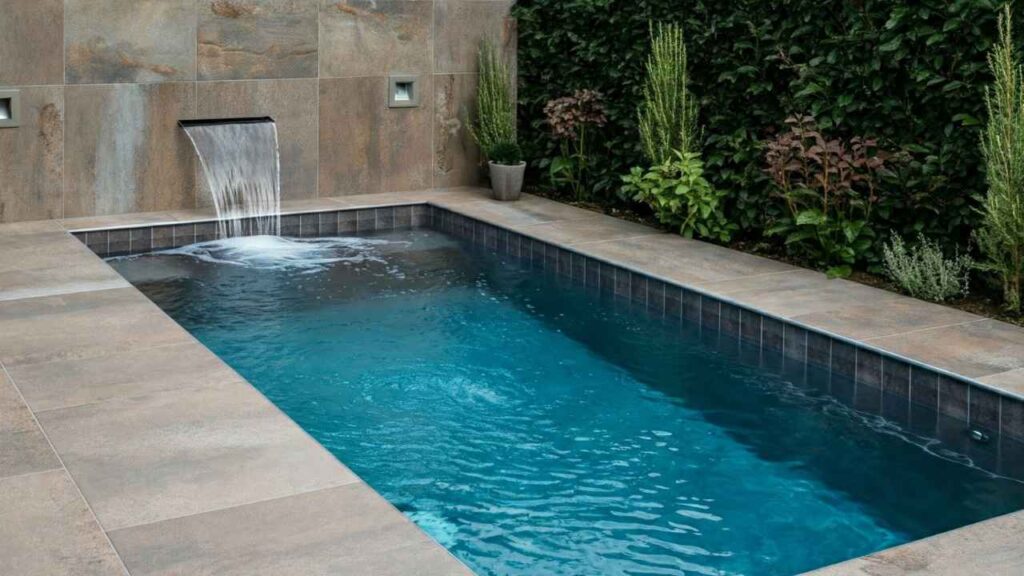
- Water Features: Waterfalls or fountains add elegance but increase the budget.
- Heating Systems: Solar heating saves energy but requires higher upfront investment.
Cost vs. Benefit Breakdown: Climate and Family Size
The value of a plunge pool can vary significantly depending on your local climate and household size. Here’s a practical look at when plunge pools make the most financial and lifestyle sense:
Climate-Based Value
| Climate Type | Key Factors | Cost Impact | Benefit Rating |
|---|---|---|---|
| Warm (e.g., Adelaide, Perth) | Long usable season, minimal heating needed | Lower operating costs | High – frequent use |
| Temperate (e.g., Melbourne, Sydney) | Moderate usage months, occasional heating required | Moderate | Medium to High |
| Cool/Cold (e.g., Hobart, Canberra) | Requires heating for regular use, shorter outdoor season | Higher energy costs | Medium – depends on use of heating and spa features |
Tip: Homeowners in colder regions can maximize ROI by installing insulated covers and energy-efficient heating systems (e.g., solar or heat pumps).
Family Size-Based Value
| Family Type | Considerations | Cost Justification | Ideal Features |
|---|---|---|---|
| Singles/Couples | Lower usage volume, great for relaxation, wellness, aesthetics | Affordable indulgence | Compact size, heating, jets |
| Families with Young Kids | Great for safe, shallow play; minimal maintenance effort | High value for daily use | Built-in seating, shallow depth |
| Large Households | May feel limited due to size; frequent use can offset this | Depends on usage pattern | Swim jets, water features, durable materials |
Insight: For busy families, the ease of maintenance and fast heating make plunge pools a more practical alternative to large pools.
Customisation and Versatility
Customising a plunge pool allows it to match your lifestyle and preferences. Modern features enhance both function and style:
- LED Lighting: Energy-efficient, colour-changing lights create a relaxing or vibrant ambiance.
- Smart Controls: Use a smartphone to adjust temperature, lighting, and filtration.
- Water Features: Add waterfalls, fountains, or jets for visual appeal and soothing sounds.
- Swim-Up Bars: Convert your pool into a social area for entertaining guests.
Tailoring Your Plunge Pool to Your Lifestyle
Plunge pools are versatile and can be adapted to fit individual needs:
- Materials and Finishes: Concrete plunge pool offers durability, fibreglass is cost-effective, and vinyl provides a smooth surface.
- Year-Round Use: Install heating or insulated covers for use in summer and winter.
- Spa Features: Add massage jets or hydrotherapy elements for enhanced relaxation.
Creating a Multi-Functional Space
Plunge pools can be a centrepiece for relaxation and entertainment.
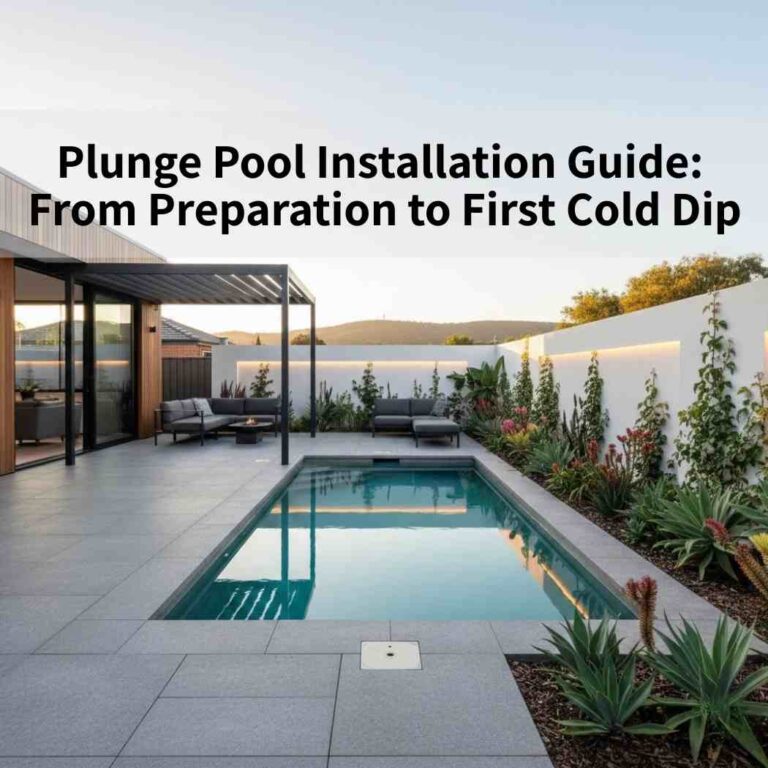
- Outdoor Integration: Combine the pool with decking, seating, or pergolas for a cohesive design.
- Entertainment Zones: Add a sound system or BBQ setup to make your pool area event-ready.
- Night Appeal: Use LED lighting and fire features to create an inviting evening atmosphere.
Is a Plunge Pool Worth the Investment?
Weighing the Pros and Cons
Benefits:
- Compact Size: Fits small backyards, ideal for urban homes in Adelaide.
- Affordability: Lower costs for installation and maintenance compared to large pools.
- Multi-Purpose: Suitable for relaxation, exercise, and improving outdoor aesthetics.
- Energy Efficiency: Eco-friendly options reduce energy use and expenses.
Challenges:
- Limited Space: Unsuitable for extensive swimming or large gatherings.
- Initial Costs: Adding custom features can increase upfront expenses.
The Real Deciding Factor: How Often Will You Actually Use It?
From our experience installing plunge pools across compact residential sites, the true value of a plunge pool has very little to do with size and everything to do with usage habits.
We regularly see two very different outcomes after installation.
In some homes, plunge pools are installed for long-term value, resale appeal, or occasional family visits. Over time, these pools may be used only a handful of times each year, despite ongoing maintenance and running costs. In these cases, the pool becomes more of a visual feature than an actively used part of the home.
In contrast, households that use their plunge pool every second day or more share common traits:
- The pool is easy to access from the house
- Maintenance is quick and manageable
- The pool is designed for short, frequent use rather than lap swimming
These owners use their plunge pool to cool off after work, relax on hot evenings, or enjoy casual social time. For them, even a compact 2 × 3 m plunge pool delivers strong day-to-day value because it fits naturally into their routine.
Usage frequency — not size — is the most reliable indicator of whether a plunge pool is worth the investment.
Questions to Ask Before Investing
- What’s Your Primary Purpose?
- Relaxation, exercise, aesthetics, or boosting property value?
- Do You Have Enough Space?
- Ensure the pool fits comfortably without overcrowding the yard.
- What’s Your Budget for Installation and Maintenance?
- Include optional features and future maintenance costs.
- Will You Use It Year-Round?
- If yes, add heating systems or insulated covers.
- Are You Complying with Local Regulations?
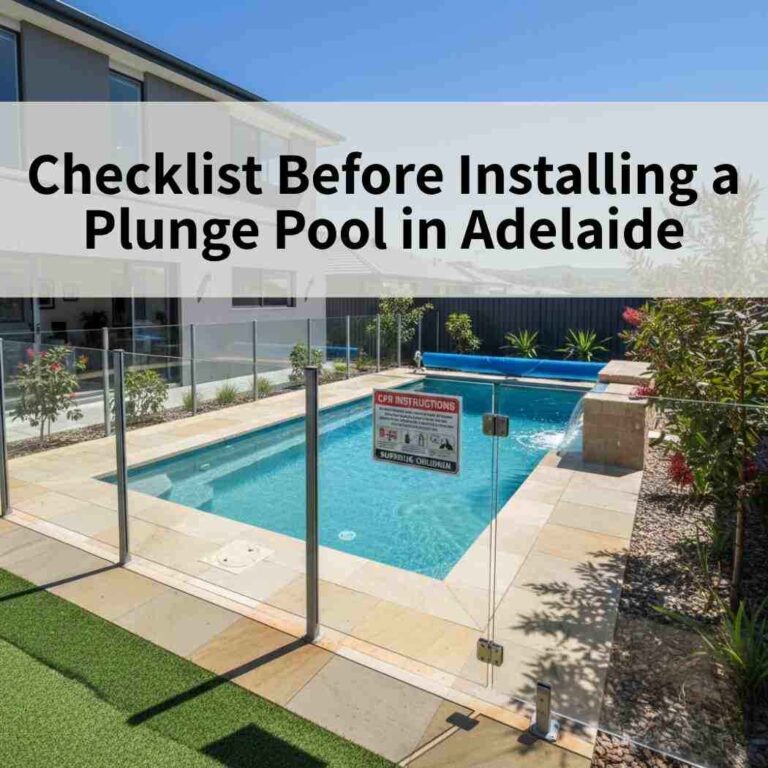
- Follow Adelaide’s pool safety and fencing requirements.
Do You Have Enough Space?
Ensure the pool fits comfortably without overcrowding the yard!
Book Your Free Assessment ➔When a Plunge Pool May Not Be the Right Choice
A plunge pool is not always the best solution for every home or lifestyle.
Based on real installation outcomes, a plunge pool may not be worthwhile if:
- You expect to swim laps regularly
- The pool will only be used for occasional gatherings
- Ongoing maintenance will be physically difficult or time-consuming
- Site constraints significantly increase structural or compliance costs
In these scenarios, alternatives such as swim spas, above-ground pools, or covered outdoor living areas often provide better long-term satisfaction and value.
Who Gets the Most Value From a Plunge Pool
Plunge pools work best for homeowners who prioritise frequent, casual use over structured swimming.
They are particularly well-suited to:
- Families with young children who value shallow, safe water
- Couples or retirees seeking relaxation and cooling rather than exercise
- Homeowners who prefer quick, low-effort maintenance
- Properties where the outdoor space needs to remain functional and uncluttered
In many cases, plunge pools are used more consistently than larger pools because they heat faster, cool the body quickly, and feel approachable for short daily use.
Conclusion
Plunge pools offer a practical, luxurious, and affordable way to enhance your home. They are perfect for relaxation, light exercise, and transforming your backyard into a stylish space. For Adelaide homeowners, plunge pools are an ideal choice for smaller yards or urban living.
At Plunge Pools Adelaide, we design and install high-quality plunge pools that match your lifestyle and budget. Contact us today to explore your options and make your dream plunge pool a reality.
What’s Next?
Check out our next guide: How to Keep Your Plunge Pool Clean—where we cover essential cleaning tips, water treatment advice, and simple maintenance routines to keep your pool looking and feeling fresh all year round!
Frequently Asked Questions
1. Can plunge pools be installed on rooftops in city homes?
Yes, plunge pools can be installed on rooftops if the structure supports the weight. Lightweight fibreglass or pre-fabricated above-ground pools are ideal as they reduce load stress and simplify installation.
2. Are plunge pools easier to clean than larger pools?
Yes, plunge pools require less cleaning because they hold less water than larger pools. This smaller water volume means fewer chemicals are needed, and maintenance takes less time, making them a convenient option for busy homeowners.
3. Why choose a plunge pool over a traditional swimming pool?
Since plunge pools are smaller, they are space-saving, cost-efficient, and require less maintenance than traditional pools. They are ideal for relaxation, light exercise, and fitting seamlessly into compact backyards.
4. What are the best designs for a plunge pool in small spaces?
Rectangular or square plunge pools with sleek finishes work best for small spaces. Features like built-in seating, LED lighting, and vertical water features maximise functionality and style.
5. Can plunge pools be used as a hot tub in winter?
Yes, plunge pools with heating systems can double as hot tubs. Adjustable temperature controls allow you to enjoy warm, relaxing soaks even in colder months.